Three wins with one element.
Win three rounds in total with the same element; the wins don’t have to be in a row.
OnPixel
OnPixel — Our first game · Out now on Steam
Three elements. Thirty cards. One opponent. Every choice touches two different paths to victory.
The heart of the duel
Every card carries an element and a value from 1 to 10. When both players’ choices are revealed, the elements are compared first: between different elements, the advantage cycle outranks the number. If the elements match, the higher value wins; if element and value both match, there is no winner and play continues.
Win three rounds in total with the same element; the wins don’t have to be in a row.
Complete the Fire, Ice and Venom tracks once each; the full set ends the match.
Weigh the element, the value and the path to victory you are closest to completing.
Fire beats Venom, Venom beats Ice and Ice beats Fire, regardless of value.
The higher value wins. If the value is also equal, the round is a draw and the match goes on.
The first player to complete three wins with one element, or one win with each element, takes the match.
Element advantage
Fire beats Venom, Venom beats Ice and Ice beats Fire. The advantage is absolute: a Fire 1 can beat a Venom 10. In a basic duel, value only decides when the same elements meet. The profiles below describe how each element plays at the table.

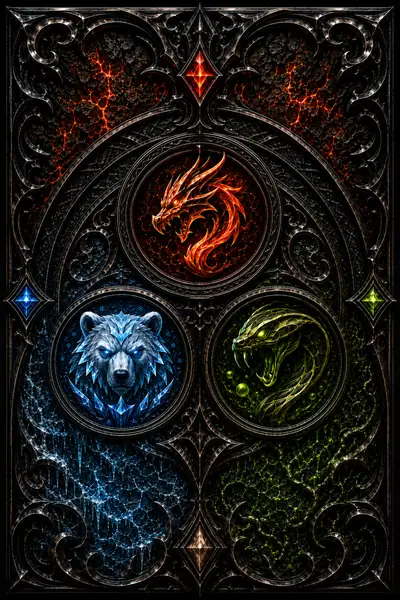
The dragon’s element is built on direct attacks and high tempo. It forces the opponent into early decisions; it opens space while it keeps up the pressure and loses its rhythm when it falls back to defend.
The giant bear’s element stands for defence and board control. It slows the opponent down, waits for the right moment and sets up safe answers; its strength comes from a solid stance, not sudden bursts.
The giant serpent’s element threatens not with a single blow but by wearing down the opponent’s options. Indirect pressure and attrition steadily narrow the room for decisions and make every mistake costly.
Live mode comparison
Pick a mode and play a card. Compare, on the same table, how cards are replenished, how the round resolves and how the two paths to victory progress. Elemental Draw adds two random rules that apply for the whole match.
In a five-card hand, every card played is replaced right away. The hand keeps changing.
Opponent’s hand
Once the first card is revealed, your opponent’s previous moves will start to appear here.
Match goal3 wins with one element or one win with each element
Your hand
In a five-card hand, the slot you play from is refilled immediately.
Quick Play selected. Play a card from your five-card hand.
This is an interactive web demo that explains the game logic; it does not represent the final game interface.
Strategy lab
Your opponent’s next card is face down, but their last three moves are on the table. This section helps you spot the repeating element, pick the element that beats it and avoid wasting your strong cards.
See which element appears most often in the last three cards your opponent played.
Ice beats Fire, Venom beats Ice and Fire beats Venom.
If two of your cards give the same answer, play the lower one and save the higher card for the next round.
ImportantRecent moves help you decide; they don’t reveal your opponent’s next card for certain.
Scenario 01 / 06Find the repeating element, then pick your card
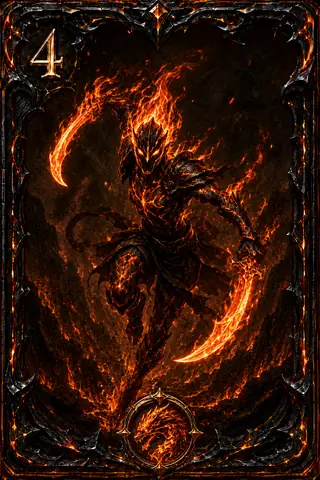 Fire 04
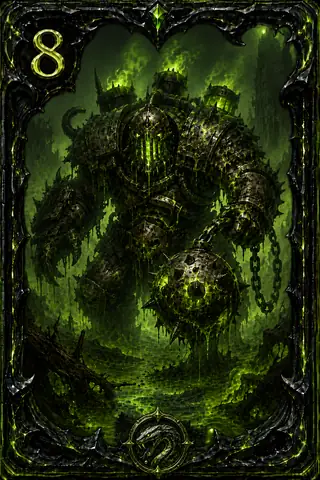 Venom 08
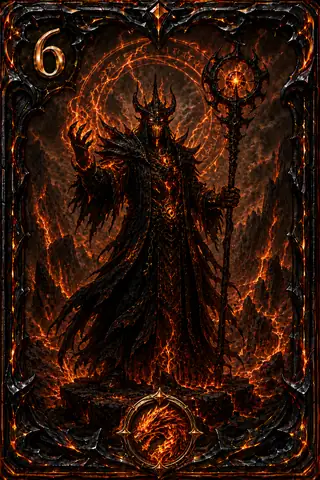 Fire 06
Fire appeared in two of the last three moves, so plan your counter against Fire first.
The repeated element stands out. If all three differ, the most recent move is the starting point.
Card values are not part of this reading; only the revealed elements count.
This breakdown is not a prediction, just a short summary of the last three moves.
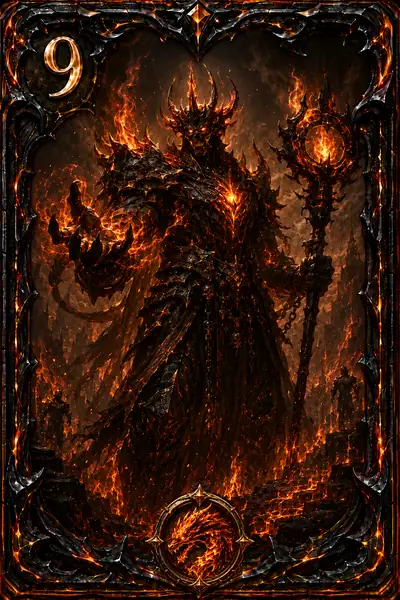
Pick a card. Once the opponent’s card is revealed, you can try the other two options to see the difference.
When the opponent’s card is revealed, element advantage is checked first. If the elements match, the higher value wins.
30-card base pool
Each element has ten cards, from 1 to 10. Scroll through the series; as the centre card grows, its number, minion scale and element seal come together in one view.
Drag, scroll or use the arrows
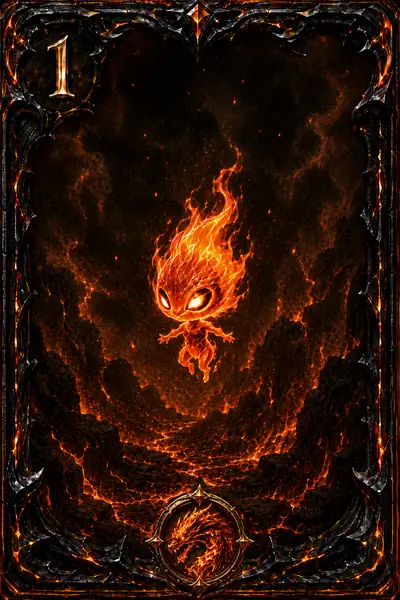

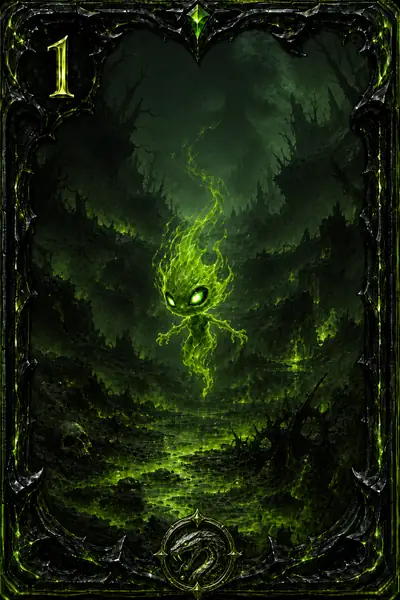
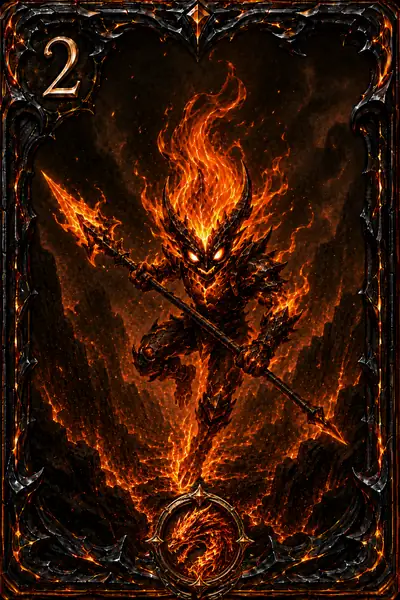

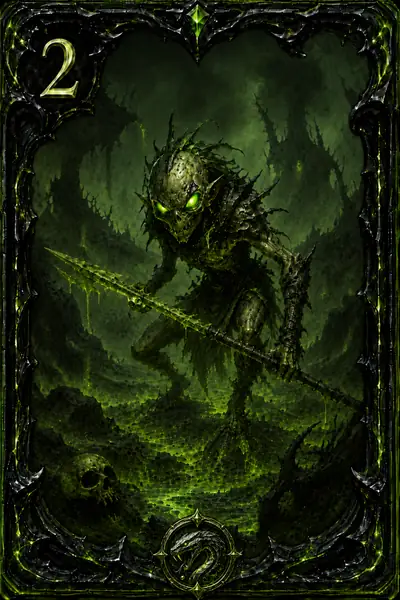
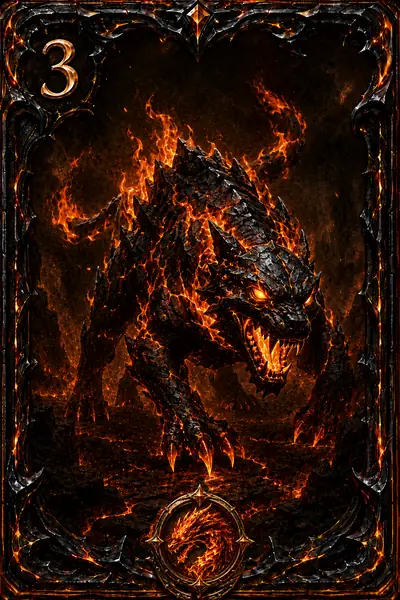
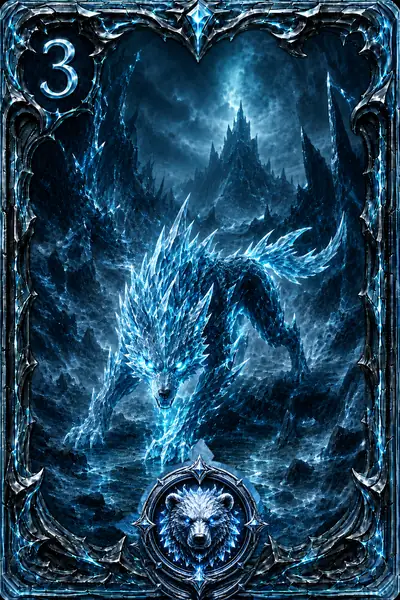
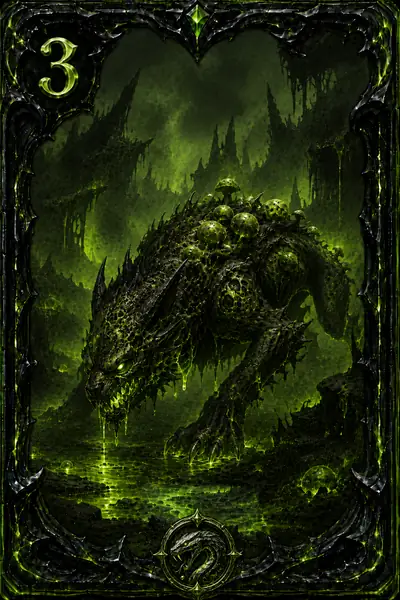
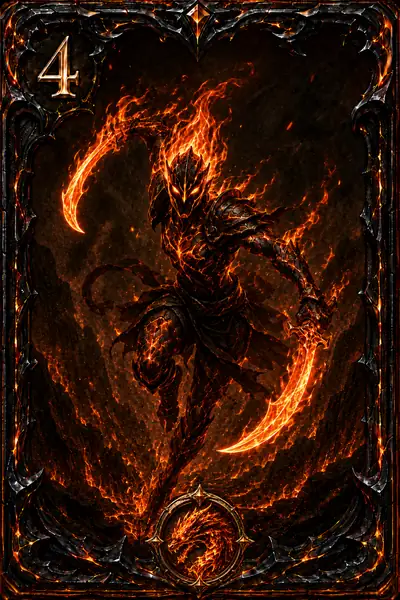

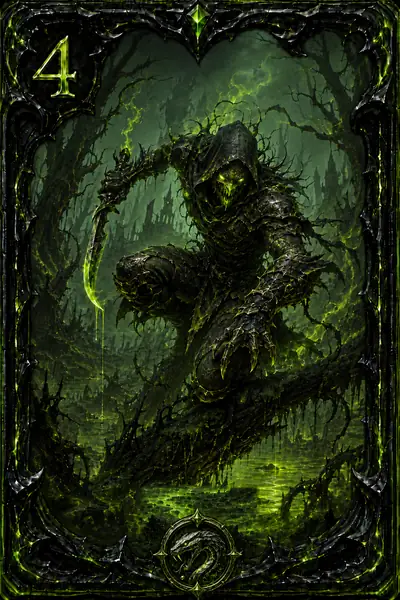
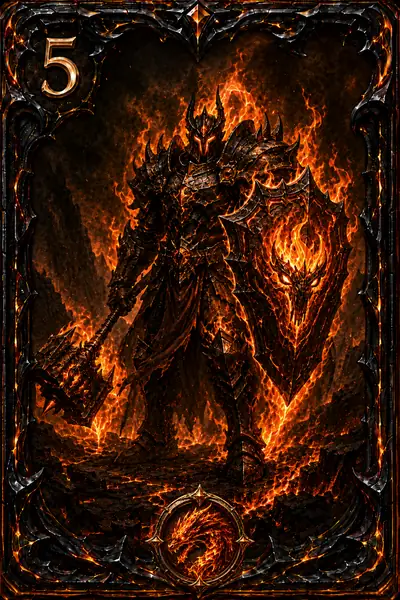
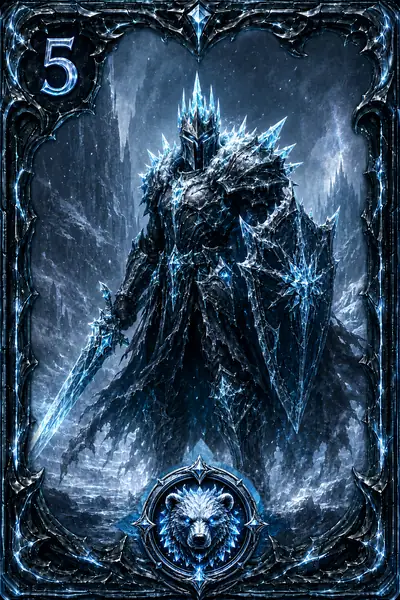
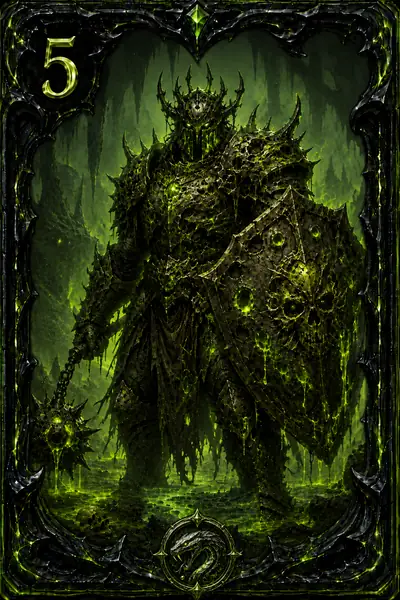
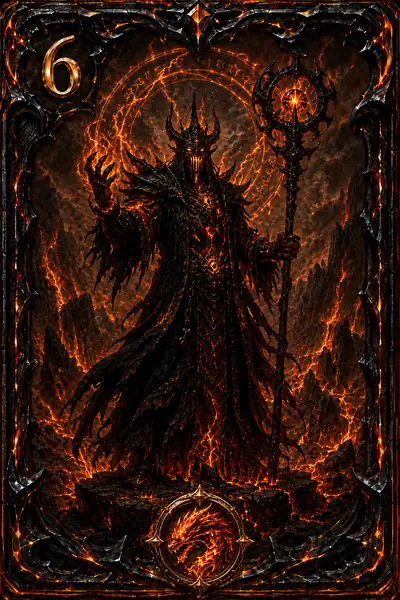
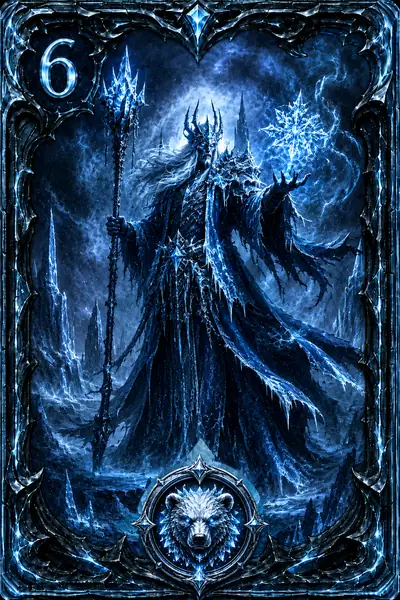
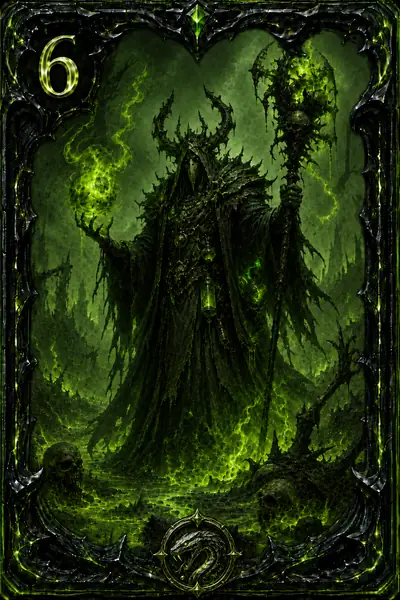
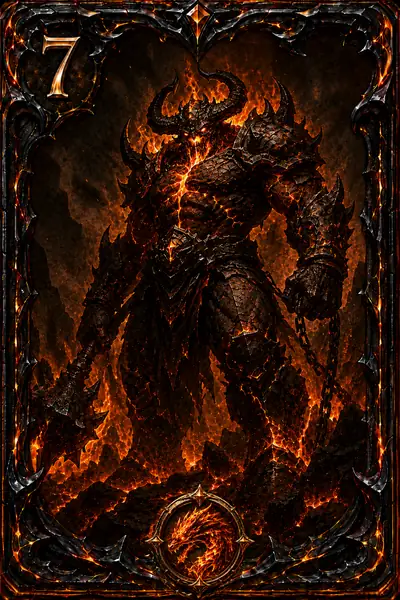
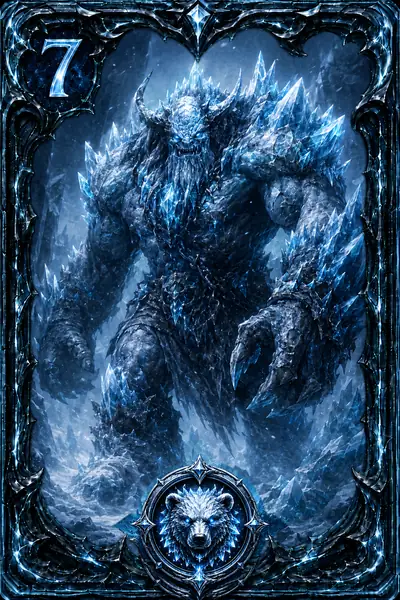
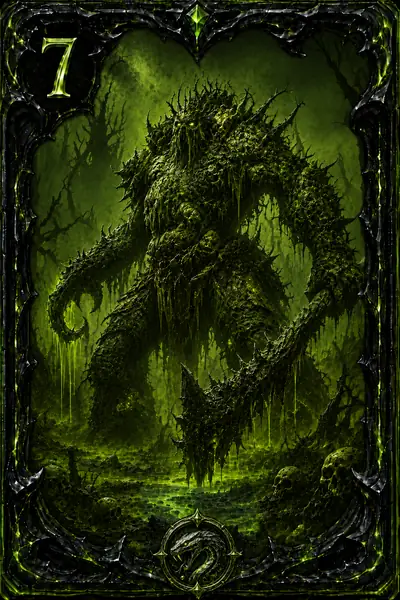
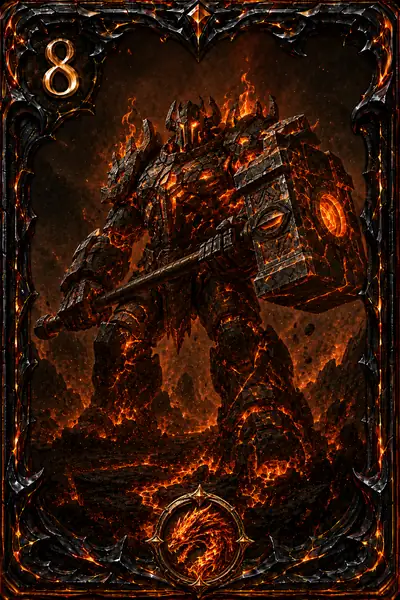
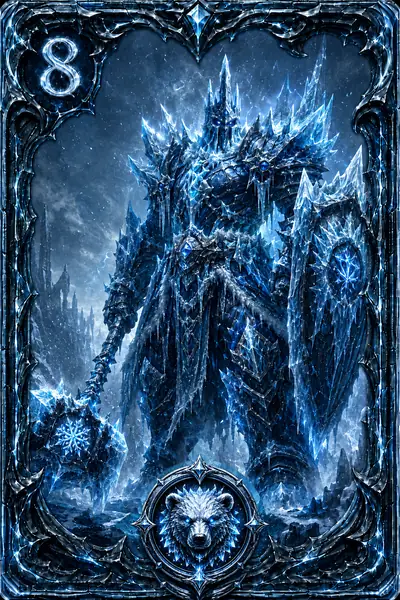
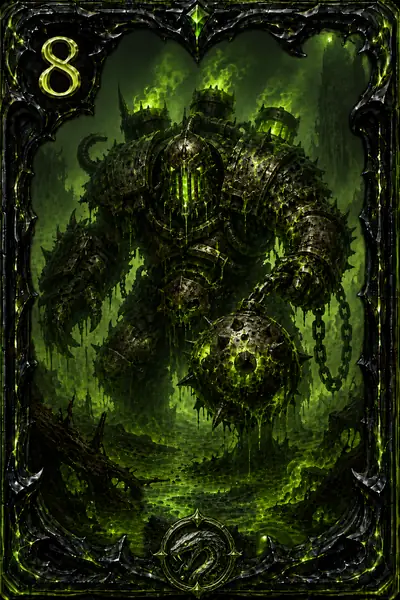
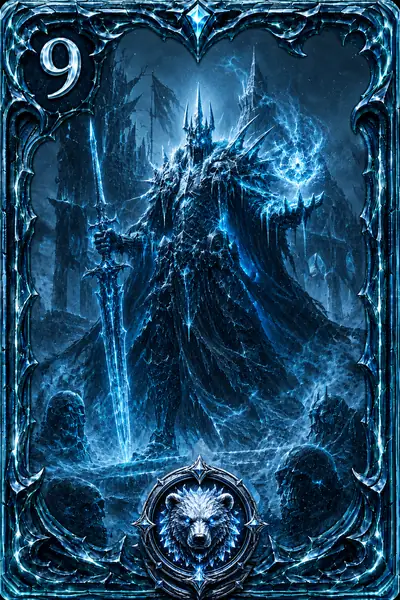
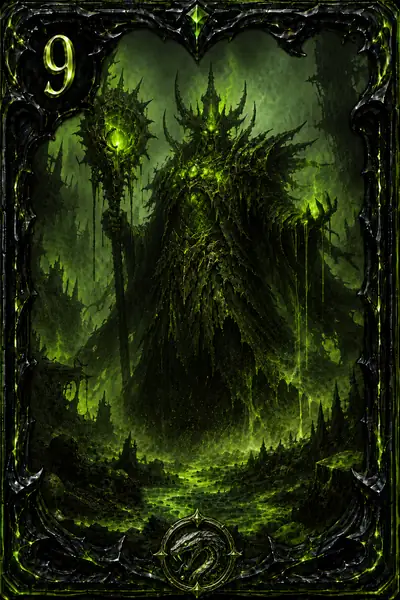
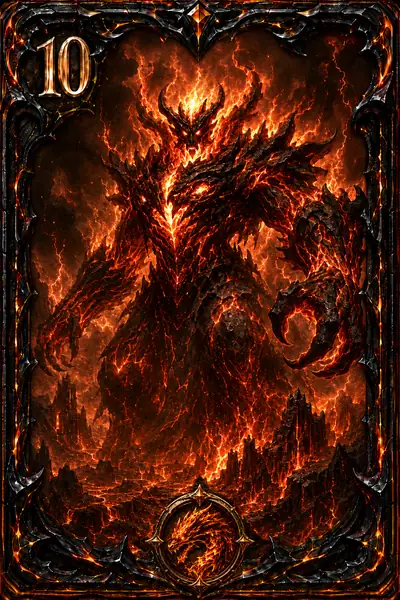

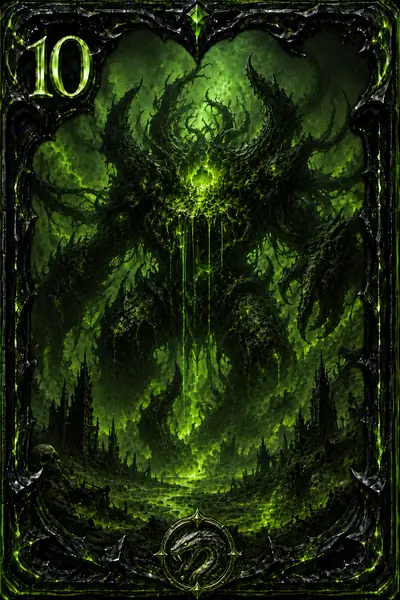
A card’s strength is read in three places: the value at the top left, the minion’s power scale in the centre and the element seal at the bottom.
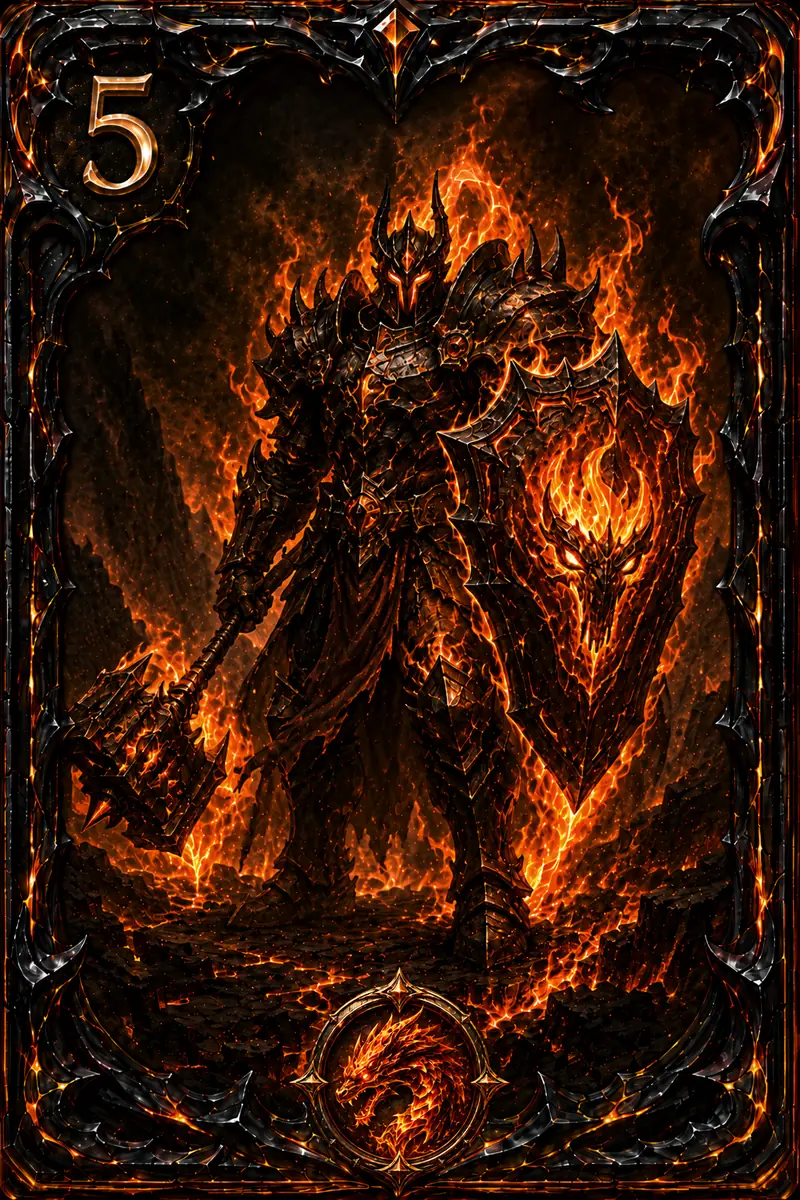
A duel where the decisions are deep, not the cards.
There are two paths to victory. You can win three rounds in total with the same element, or take one round each with Fire, Ice and Venom. The first player to complete either pattern wins the match.
No. When different elements meet, the stronger element wins the round whatever its value. The number decides only when the elements match. In Elemental Draw, the two rules chosen at the start of the match add extra conditions.
In Quick Play, the card you play is replaced immediately. In 5 Draw, you draw a new set of five only after using all five cards. Elemental Draw keeps Quick Play drawing and applies two rules, chosen at random at the start, until the match ends.
At the start of the match, two rules are picked at random from 30. Both rules are shown openly to both players and stay in effect together until the match ends.
Cards Rumble: Clash of Elements launched for PC on 27 October 2026 on Steam. Mobile versions are also planned.
We will share design decisions, balance work and game updates on the Devlog.



 Fire
 Ice
 Venom